Wednesday, May 29, 2024

Pre-Braggers

From 2010...

You just want to say, “Hey buddy, keep it in your pants!”

Message boards are full of them. People who brag about things they have yet to do. Accomplishments they have yet to accomplish. “I have written a great screenplay.” “My script is better than (current hit feature film).” “When I win my Oscar for Best Original Screenplay, I’m going to...” “Anyone can write a stupid script like that, I’m going to write ART!” And hundreds and hundreds of other boasts of things that have not yet happened. It is so easy to say the script you have not yet written is better than the script that was written and sold and made and distributed and just opened at #1 over the weekend. But how can you possibly prove that?

Pre-Braggers always join a message board and come on strong - they post all kinds of stuff about how great they are and how bad everyone else is moments after signing up. They never spend any time lurking on the boards and reading past posts to see who everyone is and get a hang for what is going on, because the other people on the board do not matter - only *they* matter. Whatever subjects were being discussed before they arrived do not matter. This often becomes amusing, because they have no idea how many pro writers are on the boards or how many other writers are *way* ahead of them on their journey to becoming a professional writer. They are the only important ones! And eventually they say or do something stupid to a pro who could probably help them if they weren’t the center of the world and no one else matters.

Pre-Braggers also *start topics* rather than add to existing topics, because what they want to talk about is more important than what anyone else is talking about. Mostly, they want to talk about themselves. Instead of being part of the group conversation, they want everyone to be part of their conversation (as long as other people agree with them, if they disagree - they snap). And the Pre-Bragger’s conversations tend to be about how great they are, or how awful Hollywood movies are, or how wrong headed someone who actually knows what they are talking about is. They are experts without experience. When they start a thread, it is not about *discussion*, it is about *them* - it is bragging disguised as whatever subject is in the thread title. They believe *their* opinion about some popular film is what is right, and your opinion is wrong... and any facts that do not support their beliefs are wrong, no matter how many there are. They will dismiss every fact other posters bring up, and support their theory with... nothing. Just their opinion. Which is more important than everyone else’s opinion because they are a brilliant writer and everyone else is not.

And that’s a big problem with Pre-Braggers - they believe they have some sort of amazing talent that the rest of us do no have, so they will just waltz in and succeed while the rest of us who have worked our butts off will fail. Because for the Pre-Bragger it is not about all of the hard work we have done, it isn’t about hard work at all... it is about them being special. Them being the chosen one. If we are working so hard and have not cracked it, yet, there must be something wrong with us.

SELF CONFIDENCE


A Pre-Bragger is brimming with self confidence... in fact, they have way too much self confidence. That can be very irritating. Now, I do not think self confidence is a bad thing - without it we would never venture from our homes. But, like in all things, there needs to be a balance. You can have too much self confidence and be an arrogant prick (many Pre-Braggers are) and be completely blind to your faults. Pre-Braggers never realize how much work their scripts need, because there is no room for improvement if you are already perfect. I believe that you need enough self doubt to make you do that extra rewrite before you give your script to your best contact... but enough self confidence to give your script to that best contact. The problem with the Pre-Bragger is that they seem to have no self doubt at all - and way too much ego!

Can I tell you what is completely unfair about all of this? Hollywood is full of crap, so when someone steps forward who is full of crap... people listen to them. There is usually that moment on a messageboard where people believe the crap the prebagger is dishing out... and this carries over into the real world as well. So, as much as I might hate those arrogant prick Pre-Braggers, they are the ones who push me aside to get *their script* into the hands of my best contact. When someone tells me they have written the greatest script in the history of cinema, red flags raise all over the place... but some executive might think they need to read that script, because what if it really is the greatest script in the history of cinema? Can they afford *not* to read it? When you have a producer whose career may be built on a big-old-pile-of-dung, they may hear a Pre-Bragger’s BS and think “This kid may have something!”

Of course, most of the time that script is dead on arrival - the thing is so awful that it gets cut down by negative coverage and that’s the end of it. When you have no self doubt, you don’t do those rewrites the script requires. On rare occasions there is a good idea in that dreadful script, and it may last a little longer... but in my experience with the scripts of Pre-Braggers they tend to have those ideas the rest of us throw away because they are too bland or silly. Because a Pre-Bragger believes in their absolute genius writing abilities, little things like having a good idea are often not part of the equation. Or they have one of those Cloning-Jesus-From-The-Shroud-Of-Turin plots that every other first time writer comes up with. To the no-self-doubt Pre-Bragger these ideas are brilliant!

I have no idea what happens on tracking boards, but I suspect any Pre-Bragger script that gets read is discussed... and word gets out about them. They may end up having very few people interested in their “genius script”. What you want as a writer is to develop “fans” of your work who will champion you to their bosses and remember you or your script when they end up in some situation where they need a great script. Without “fans” you don’t get very far, and probably a third of my income is due to “fans”. A Pre-Bragger might be able to do the sales spiel for a script and get someone to read it, but we are in a buyer’s market and the script itself has to be something they want to buy. They don’t make a movie from the sales spiel. (Okay, sometimes they do - if your name is Michael Bay or Steven Spielberg or Tony Scott... and those guys are not Pre-Braggers, they have done a bunch of stuff they can brag about.)

The rest of us, who are waiting until something actually happens before we start bragging, have a better chance of finding those “fans” because we really are working our butts off trying to make the script better before we show it to anyone. We know our shit stinks, so we try to remove all of the shit from the script before we let anyone read it. Hey, we also know we aren’t prefect and there may be some smelly stuff we missed this time around, but we will catch it on the next rewrite. I just had a producer request a script, so I did a quick rewrite on it before sending it to him. I have no idea how many times that script has been rewritten over the past 15 years, but this time I removed one line of dialogue I never really liked and added one line of dialogue that I think really improves a scene... plus many many small changes - better words or phrasing and sometimes a quick trim of a scene that seems to go on too long when I read it this time. It’s all honing the script... and I think you stop doing that when the script gets filmed. Though, I once did post production dialogue tweaks for ADR on one of my scripts. It’s not over until it’s on the shelf at Blockbuster or airing on TV or up there on the screen in front of a paying audience.

MY ENORMOUS TALENT


At which time, a Pre-Bragger sees your film and says on some messageboard that they are a hundred times more talented than you are. That they will break in with *art* that will not be compromised because everyone will see the brilliance of their work and will not wish to change it. They are geniuses! If they only got that lucky break like I did, we could all see that their scripts are true art because their enormous talent is larger than that of the writer of that script that was bought and filmed and is in wide release this week. But how can you prove that?

You can’t... which is the safety net for Pre-Braggers.

Pre-Braggers often believe in that “Crap Plus One” theory of Terry Rossio’s - they see some awful film that has gone through the big meat grinder of Hollywood and think that anyone can do better than that... but they have not read the version of the script that sold. They think being better than the worst means you are better than everyone... but you are just better than the worst - and no one buys the worst (well, sometimes bad scripts do sell, but there is some amazing backstory involved in those sales that the Pre-Bragger doesn’t take into account). When people trash some “new writer” they often don’t realize how hard they have worked to get to that point - they might look at their IMDB listing and not realize that’s the tip of the iceberg. If only 10% of *sold* scripts end up on screen, for every credit listed there is a very good chance of 9 other “phantom credits” that don’t show up anywhere... but the writer still worked their butts off on them. The guys who wrote TOP GUN had been working as professional writers for 10 years before getting their first credit... that’s a lot of scripts that aren’t on IMDB, and a lot of actual hard work that those guys did. They may seem to just show up and sell a script, but they’ve really been working very hard “off camera”, and their scripts have gotten better and better.

Many Pre-Braggers haven’t even finished one screenplay - they are still working on it, because it is a work of epic brilliance. If you haven’t finished your script, it’s easy for it to be better than a script that is finished - because the script itself is still mostly fantasy. Whatever is in your head is much better than what is on someone else’s pages. Once we take those perfect fantasies from our minds and turn them into actual words, they always lose something. Which is frustrating. Why can’t my scripts be as great on the page as they are in my imagination? Well, as time goes on we get better at finding the best words and stringing them together into better sentences and putting those sentences in a better order - and our scripts get a little closer to the brilliant story sparking through our synapsis. But the fantasy of the script will always be better than reality... and those Pre-Braggers will continue to be legends in their own minds.

The thing about Pre-Braggers is that right out of the gate they insist that they are brilliant - before they have done anything! The most difficult thing for *any* writer is getting that stuff from their heads onto a page in some form that doesn’t stink. Name your favorite writer and they work hard. Sure, after a while things get easier due to practice and experience (two things a Pre-Bragger does not have), but writing is never easy. Who was it that said easy reading is damned hard writing?

The more you write, the more you learn. If you have not finished your first screenplay, or have only written one script, you are probably still in the learning phase and not the earning phase. If a Pre-Bragger has actually written 2 or maybe even 3 scripts, they often believe all 3 are *brilliant* because they haven’t learned enough to know how bad they probably are. When you’ve written a few scripts and go back and read your first, it may read like the work of a talented amateur - but you will see all of the places where it could be better based on *what you have learned*.

We learn from our mistakes, and if you don’t think you have ever made any mistakes... you are probably a Pre-Bragger. You might want to be a little more self-critical, because everyone you tell that you are faultless, will soon begin tearing you apart to find your faults. Human nature. Right now there are Pre-Braggers writing about what a blow hard I am in the comments section, because I obviously don’t see their genius. As one guy on a message board said recently, “You’ve never met anyone like me, you’ve never read a script as good as mine!”

Trust me when I say he will never let us read his script in order to prove this. What if I stole his idea? What if I stole his brilliant dialogue? “We can’t let the Russians see the big board!”
HANDJOB SEXPERTS


My favorite type of Pre-Bragger reminds me of that guy in the Monty Python Flying Circus “Nudge Nudge Wink Wink” routine - they come on strong but are a little short on experience. They want to write a sex manual, but they’ve never gotten any more than a handjob. These Pre-Braggers explode onto message boards with news that they have just been signed by some big agency or had a script go out wide that resulted in a bunch of meetings or may have even optioned or even sold some script to someone. They land an assignment and think they are king of the hill. So they start a bunch of topics that are all about how great they are - or they write some pseudo article about how to sell a script or write great stuff based on their experience... except the article is really all about how brilliant they are. Almost no practical information. Because *you* can’t achieve the brilliance that *they* have achieved because *you* are not an amazing genius like they are. They start these threads but the only real advice in them seems to be: “Be Me”. They aren’t about helping other writers, they are about bragging about their handjob...

But as the late great Bill Kelley (WITNESS) once said, you don’t really know anything until you’ve had a script filmed. Not to piss on your success, but there are all kinds of steps along the way, and even though you may have just optioned a script, and I congratulate you on that accomplishment, there are some more steps ahead of you. And even once you’ve had a film made, you have to figure out how to get the next film made... and then get a *good* film made. I’m still working on the last part. Most people realize that once you have optioned a script you still have a ways to go, but a Pre-Bragger thinks they have reached the top of the stairs and are above everyone else. So they start a thread to look down on all of us.

What is always amusing is when some Pre-Bragger pops up on the message boards as king of the hill because they got an option or an assignment... and fail to realize that a bunch of other people on the boards have also achieved this. So while they are bragging like crazy about their option, they don’t realize that some of the people they are bragging to have accomplished this long ago and often many times and don’t think it’s much to brag about... especially if the Pre-Bragger has the normal condescending attitude and occasional insult.

If you option a script or land an assignment and announce it on the boards, we will all congratulate you. If you start throwing your weight around and your ego is out of control... you are a Pre-Bragger and I am going to have fun sitting back and watching you self destruct. And you will. Because you can’t claim to be a sex expert if all you’ve had is a handjob. That handjob may put you ahead of some people, but not others. And that handjob isn’t intercourse, and we all know it - even the virgins. The more you claim to be the sex expert when all you’ve had is a handjob, the more you are setting yourself up for a big fall when the handjob is as far as it goes. You may be imagining that handjob is going to lead to a page-by-page reincatment of the Kama Sutra, but wait until you actually do that reinactment before you start bragging about it. Lots of people get the handjob and nothing else.

THE MAN IN THE MIRROR


Now, some of you may be wondering how the hell the writer of crap like CRASH DIVE and VICTIM OF DESIRE and BLACK THUNDER can be writing this without being the very Pre-Bragger that he’s talking about. Hey, good point! I am not an Oscar winning screenwriter, and never claimed to be. But I done it... and with a woman... and more than once! I’ve had sex 19 times so far (more like - I’ve been screwed 19 times), not with hot lingerie models, but with those gals who are still in the pick up bar at last call. The woman parts are still the same with those last call girls, so it still counts as sex. And those last call girls are drunk and have been around and are probably harder to satisfy - you really have to work at it! And you need to have skills that you may not need with those hot lingerie models - things the guy who has only had a handjob can’t even imagine.

It’s difficult enough to write a screenplay where a name actor will play the lead and they will throw a ton of money on FX and stunts, and a reasonably good director will be calling the shots... but I have to write a script for a guy whose skill is kicking people in the head, that has to be made for the catering budget of a studio film, with some idiot directing. Um, part of my job is to write a screenplay that takes all of that into account and still is tolerable to watch if you have had enough alcohol. Easy for a Pre-Bragger to think they can do better, but they may not realize all of those obstacles are involved. You have to be able to jump the hurdles that Pre-Braggers don't even know exist.

And I almost never start a thread on a messageboard, I mostly jump in with an answer or opinion as part of the discussion. Hey, I have this blog for my opinion, but I usually do not link blog entries unless they are educational (like the LEOPARD MAN entry). When I post on a messageboard I often include a signature link to my website, and if you are interested you can click on it... but I’m not going to post a whole Script Tip on some messageboard (to be honest - I *have* done this on MWS when my site moved from .com to .net - just to get the word out that I was still alive - and *yes* that was spammish). But I do not think any messageboard is my private blog that is all about me. Um, these are places for *discussions*... not posts that are all about a Pre-Bragger’s genius.

Plus, whenever I am in a *discussion* that is out of my pay-grade, I realize that I am not the expert and always back up whatever I say with some link to some article or statistics or corroborating evidence from a trusted source. I’m not going to try to pass myself off as an expert on some subject that I know something about but not everything about. And because these are *discussions* other people may call me wrong and pull out their evidence. It’s not all about me, it’s all about the subject and trying to figure out how to further our screenwriting careers... yours and mine. You may know something that I do not... and I want to hear that and figure out how to use it!

BREAK IN, STAY IN, SURVIVE


One of the things Pre-Braggers don’t realize is that even if they have gotten a handjob, the most difficult part of screenwriting is to continue working when you are not flavor of the month. Breaking in is close to impossible, staying in when everybody on that message board wants your job is even more difficult... And if years later you are still working as a screenwriter? Well, you are probably doing something right. And I extend that to all of the screenwriters that I have ever trashed in my life - Akiva Goldsman may have written the film version of LOST IN SPACE, but he’s still working in the biz and still writing popular movies. Pre-Braggers often discount the “popular” part, because they are geniuses and true artists, but we are writing for an audience. If the audience keeps buying tickets for movies written by Akiva Goldsman, that means he has something that other writers do not have. We need to look at his films and figure out what that thing is! I’ve had a couple of meetings with Akiva’s company and met him, and he’s a nice guy who reads science fiction novels and seems like he really cares about his work. Those things that I don’t like about his scripts are obviously not as important as the things that the audience *does* like... and I just hope that isn’t nipples on the Bat Suit.

There was a Pre-Bragger on a messageboard I frequent who came on strong because he’d had a handjob, and trashed all of the pros on the board because it was so easy for him to get this handjob, and we were all talking about how difficult the business is. Well, his handjob actually lead to a produced low budget film. Congratulations! Except after that - nothing. And I don’t think the low budget film was ever released. Now, he avoids that message board because he would just be saying all of those things he trashed us for - this is a difficult business! It’s easy to brag when things are going well, but when you hit that big brick wall we all hit eventually? When things go completely wrong? Again, the problem with Pre-Braggers (even the ones with a credit) is that they get their bragging ahead of their career. They think once they make that first sale, and it gets made, it’s smooth sailing from then on. Well, maybe it is - but you can’t brag about the “smooth sailing from then on” until you have gotten to some point in the “then on”. When you brag about something that hasn’t happened, you will always get in trouble because you don’t know what the future will bring. None of us does. Those of us who have struggled in this biz are still trying to figure it out.

It’s okay to brag about your accomplishments, but don’t get ahead of your accomplishments. Don’t brag about what has yet to happen. Do the work first. If you are a nice person online who doesn’t put down everyone who is not you, and you have some success (even a handjob), everyone will congratulate you. I know I will. If you are an @hole online who insults everyone and posts things that are all about your genius? If you win an Oscar, many people will still think you’re an @hole.

Don’t be an expert without experience! Don’t brag about things you haven’t done yet! Don’t substitute ego for talent and hard work!

- Bill

IMPORTANT UPDATE:

TODAY'S SCRIPT TIP: The Pitch Reveals! - your pitch exposes all of the flaws of your screenplay.
Dinner: Del Taco in NoHo down the street from the dollar cinema.
Pages: Some work on an article for the First 10 Pages Blue Book Expansion.
Bicycle: Yes - a medium ride.
Movie: NEED FOR SPEED at the dollar cinema. Worth every penny (and not a cent more)!

Wednesday, May 22, 2024

ATLiH: Rubber Gloves Of Death!

ALL THE LOSERS IN HOLLYWOOD: RUBBER GLOVES OF DEATH!

As usual, the names and details have been changed to protect the very very guilty!

One of the things about low budget movies that bothers me these days is that so many of them just suck. Now, I fully understand films made on low budgets have little or no money to do things, but often it seems as if no one on the film is trying to make up for that with creativity, imagination, and passion. It often seems like they just don’t care. I know that good films, even great films, can be made for no money. I see films in festivals made on a shoestring like CRUEL HEARTS and FAVOR and DOWN AND DANGEROUS and FOREV and JOE SHERMANN SONG and dozens of others (sorry if I didn’t mention your film) that just kick ass. They are often *better* than anything Hollywood could do on a Hollywood budget. I also see some films that don’t quite work, but you can see the filmmakers really trying to make something excellent, they just didn’t have the cash or some small thing sunk them. But often I see low budget films where it seems like nobody gave a damn...

And that’s a problem.

Recently I rented a low budget film that a guy I know was involved in. A sci fi action flick. Now, I can get behind a cheap sci fi action flick. I interviewed the guys who made SIX STRING SAMURAI before the film came out, and *that’s* a wild ride! But this film just sucked... because the people involved obviously didn’t care. They were just making a product - and not even a very good one.

The way to become a loser in Hollywood is not to care. To not be ambitious. To think that in focus is good enough. Or, worse, to think that your sub par work is great! Even if you are making a cheapo genre film, make it the best it can possibly be. Not the best you can make it, because you always want to stretch and grow - so make it the best it can be (which is better than you can do... you have to stretch). In this case, the writer-director just didn’t care and made 90 minutes of pure torture.


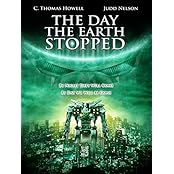
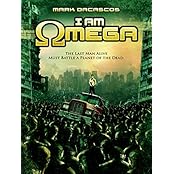
This was one of those “Mockbusters” - a cheapo film designed to have enough similarities to a big studio blockbuster to maybe fool someone into thinking it’s a prequel or sequel or maybe that studio blockbuster available in a RedBox kiosk or on the shelves at Walmart at the same time it’s in the cinemas. These films basically use the TV adverts and trailers of the big studio blockbuster to help sell their cheapo version. Before striking gold with the SHARKNADO movies, producer The Asylum made a ton of these - even being sued by studios because they copied the posters and other elements of movies like BATTLESHIP (AMERICAN BATTLESHIP) and THE DAY THE EARTH STOOD STILL (THE DAY THE EARTH STOPPED) and THOR (ALMIGHTY THOR) and TRANSFORMERS (TRANSMORPHERS) and 40 YEAR OLD VIRGIN (18 YEAR OLD VIRGIN) and I AM LEGEND (I AM OMEGA). But this wasn’t an Asylum movie - it was made by other folks with the same scheme. Can I tell you the biggest problem with a “Mockbuster”? You can easily compare it to the actual big budget blockbuster... and these films don’t compare well. They don't even try to be as good, or even to offer something that the big studio movie couldn'y provide.

The story opened on a space ship... which was the worst CGI exterior I have ever seen (why not use a model if you can’t afford good CGI? This looked like a really bad cartoon of a spaceship. Heck, you could build your own unique model of the space ship - all that takes is time *before production begins* when you don’t have a cast and crew waiting.) And when we cut to the interior? It was some office with a drop ceiling and a visible drinking fountain in the background (how would that work in zero gravity?) and there was a gameboy console or something on a desk. Nothing was done to dress the office to make it look like a spaceship. The space ship had drop ceilings and florescent lights and a drinking fountain and square windows with vertical blinds. WTF?


I worked on a friend’s sci fi movie where he took cardboard and curved it to look like a space ship wall and painted it gray and made some oval windows with black cardboard sheets that had little LED lights punched into them as stars. Cost him a couple bucks total. He also built a pretty nice control console and put a couple of $29 desk chairs behind it (the actor’s bodies covered the chairs, but they could swivel like STAR TREK chairs). The console had knobs and buttons and blinking lights and screens with green gel and lights behind them. Basically, he took a couple of weeks before he made the film to build the space ship set in his garage. It looked amazing on film. This film made by this looser that I paid real money to rent? No time spent on anything!

The story had a spaceship filled with hot female prisoners crashing on an alien planet, and (of course) the aliens want to capture the women and mate with them... because if a spaceship filled with *alien* females crash landed on Earth, the first thing you’d think was: can we have sex with them? Sure, they’re green and look like lizards or something, but can we have sex with them? That’s the whole danged plot! Except the escaped female prisoners are attractive human women.

Now here’s the thing about cheapo films like this - they are exploitation flicks. My friend Fred Olen Ray says that “nudity is the cheapest special effect”, and many a bad film I rented back in the VHS days and watched with buddies from work while drinking beer and eating pizza were saved by nudity and inventive action and some funny lines. If nudity is the cheapest special effect, funny dialogue and inventive action scenes are second and third on the cheap list. There are two things about nudity (female or male or aliens wearing rubber gloves for some reason) - and these not only appeared in every version of my SECRETS OF ACTION SCREENWRITING book, they go all the way back to the xeroxed “generic script notes” that spawned that book: 1) A rape scene is **not** a sex scene (it’s a violence scene, and if you write it or film it to be “sexy” that’s just plain disturbing and wrong), and 2) All nudity must make sense! If a character just gets naked for no reason, that’s stupid! They have to get naked for a logical reason! Fred has a movie (don’t remember which one) where a character gets completely spattered with blood when one of their friends is killed by a monster, and what would *you* do if you were covered in blood? Wash it off! So the character takes a shower - and now we get a suspense scene where we know the monster is out there and this character is *vulnerable* because they are naked. Hey, it’s the danged “Psycho” shower scene, but with a monster instead of Mrs. Bates. I’m not saying this is art, but you understand why the character takes off her clothes. She’s not just disrobing for the pervs in the audience - there’s a logical reason. Nudity has to make sense! Even a crappy film where nudity might be the only thing that saves the movie from being torture needs to have *motivated* nudity. Or else it just seems cheap (which it is, but we don’t want the audience to be thinking that). Even with the six pack and the pizza, you want the story to make some sort of sense.


When I pitched my BLADE RUNNER type script STEEL CHAMELEONS about the underground railroad for androids that wanted to pass as human... and ended up getting paid to write a movie about robot hookers from outer space, I decided to write the exact kind of movie that my buddies from work would want to see. A six pack and pizza movie. Funny, lots of action, some inventive elements, maybe a little parody of some popular film snuck in there (EMPIRE STRIKES BACK in that case) and some *motivated* female nudity (and even some shirtless dudes in case someone watched it with their girlfriend). Fred directed that, by the way. So you might have watched that film and thought it was stupid, but it would at least be *fun* and include all of the elements the target audience wanted to see. “Hey, I saw this movie, and it was terrible... but funny and had a cool spaceship battle and beautiful women.” (Or hunky dudes, if that’s what you enjoyed). But there’s a *criteria* for films like this... do you think this terrible mockbuster film delivered on any of the required elements?

The aliens chasing our escaped women? Well, they obviously bought some cheap alien masks the day after Halloween, and then had the actors playing the aliens dress in jeans and long sleeve shirts (so they didn’t need to do full body make up). Oh, and tennis shoes. But what about the *hands*? The alien hands that would be grabbing for these escaped women? Well, instead of doing any sort of make up, they just gave them yellow rubber gloves. Worst looking aliens *ever*! I did better stuff when I was making super 8mm films in High School!


Then the rest of that film was filled with “we don’t care” costumes and “we don’t care” acting and “we don’t care” sets and “we don’t care” props and a “we don’t care” script and, worst of all, no action! Most of the film was two or more characters standing somewhere talking about action that had happened earlier. No action scenes at all!!!!

You know what’s almost as cheap as nudity? A foot chase or a fight scene. Or even a shoot out - when I was doing those stupid super 8mm films in High School I had toy guys from Toys R Us painted to look real, and created cool muzzle flares by wrapping match heads in aluminum foil and heating the end (this was built into the toy gun - a disposable cigarette lighter to do the heating). The match heads exploded out of the barrel, which looked really cool at night. I also used flash bulbs built into those Toys R Us plastic guns with a battery that connected when the trigger was pulled. And blood squibs - a bent piece of aluminum tubing hidden in the victim’s shirt, plastic aquarium hose going down the body connecting the tubing to a lens cleaner bellows taped onto the bottom of their shoe, filled with Kayro Syrup blood. The victim stomps on the bellows and the blood sprays from their chest! You could film them in a long shot getting shot! People always wanted to know how I did that - because there was no visible special effects rig and the victim could show their empty hands on camera (no trigger in their hands). As long as the foot was angled right or off screen. So if I could do a cool shoot out when I was an idiot High School student, someone making a film that I could rent or buy from a legit rental source could probably do the same... if they cared.


Now, here was the funny part: this was obviously shot in the woods somewhere. Once they were off the flying rental office, they landed on some wooded planet where the female prisoners escaped and those aliens in Playtex gloves chased them. Except they didn’t. There was no chasing in the film at all. When the hero woman escaped, she instantly twisted her ankle and was recaptured within seconds.

She got maybe two steps, max.

Then it was back to evil alien in bad Halloween mask making a never ending speech gesturing with his rubber gloved hands as if he had been interrupted while scrubbing the toilet as attractive female hero just sits there listening and waiting her turn to make *her* never ending speech.

No action. No suspense. No nudity. No reason to watch this film. Just never ending sitting and talking.

If I had the woods, I would sure as hell use them for a great foot chase. I would have characters hide and almost be discovered, generating suspense. I would have made it fast paced (less time to notice how cheap it was) so instead of having a big action scene within every ten minutes (like any normal film) I would have had a pair of 2-3 minute action or suspense scenes within every ten minutes of the film. Out of the frying pan into the fire. And kept the dialogue scenes to a minimum because you aren't hiring the best actors at this budget. And I would have spent the time to write a great script filled with clever dialogue - lots of smart ass zingers (the six pack and pizza crowd loves them), because the one thing a low budget film has as an advantage is pre-production time. The more time you spend in prep, the more you can solve problems long before they pop up on set. The more you can craft something exciting that won’t cost a lot of money to make. I would have taken the time to write the greatest script ever. I would have written a big action chase thing like MOST DANGEROUS GAME, but with aliens! MOST DANGEROUS GAME was a low budget film when it was made...

But here? No chases, no danger, no nothing... just people sitting and talking.

Wearing rubber gloves and Halloween masks.

For 90 very very long minutes.

With absolutely no nudity, motivated or not.

And no hunky dudes, if that’s what you enjoy.


And nothing they said was clever or amusing - it was dead serious, as if they expected the audience to take all of this stuff as if were Shakespeare or something. Hey, wait, Shakespeare is damned funny! All of that clever word play and those dirty jokes for the groundlings!

But nobody involved cared enough to make this even slightly amusing, or have any chases or suspense or action or anything else that people might want to see. That’s what makes the writer-director of this mess a loser. They didn’t care. They were just trying to fill 90 minutes of film so they could collect their check and go home.

You have to care. You have to do the best that can be done with what you have. You have to give it your all... even if the movie is about robot hookers from outer space when you wanted to make something like BLADE RUNNER. It’s better to try and fail than to not try at all.

- Bill

Friday, October 06, 2023

Fridays With Hitchcock: Richard Schickel Interviews Hitch - Masterclass!

Here is Film Critic Richard Schickel (Time magazine from 1965–2010) with a 96 minute interview of Hitchcock in front a live audience!


Of course, I have my own books focusing on Hitchcock...

HITCHCOCK: MASTERING SUSPENSE


LEARN SUSPENSE FROM THE MASTER!

Alfred Hitchcock, who directed 52 movies, was known as the “Master Of Suspense”; but what exactly is suspense and how can *we* master it? How does suspense work? How can *we* create “Hitchcockian” suspense scenes in our screenplays, novels, stories and films?

This book uses seventeen of Hitchcock’s films to show the difference between suspense and surprise, how to use “focus objects” to create suspense, the 20 iconic suspense scenes and situations, how plot twists work, using secrets for suspense, how to use Dread (the cousin of suspense) in horror stories, and dozens of other amazing storytelling lessons. From classics like “Strangers On A Train” and “The Birds” and “Vertigo” and “To Catch A Thief” to older films from the British period like “The 39 Steps” and “The Man Who Knew Too Much” to his hits from the silent era like “The Lodger” (about Jack The Ripper), we’ll look at all of the techniques to create suspense!

Films Included: NOTORIOUS, SABOTAGE, STRANGERS ON A TRAIN, THE 39 STEPS, REBECCA, TO CATCH A THIEF, FRENZY, FOREIGN CORRESPONDENT, THE LODGER, THE BIRDS, TORN CURTAIN, SABOTEUR, VERTIGO, THE MAN WHO KNEW TOO MUCH (1934), THE MAN WHO KNEW TOO MUCH (1955), SUSPICION, and NUMBER SEVENTEEN. 17 Great Films!

Only 125,000 words!

Price: $5.99

Click here for more info!

OTHER COUNTRIES:


UK Folks Click Here.

German Folks Click Here.

French Folks Click Here.

Espania Folks Click Here.

Canadian Folks Click Here.

And....

HITCHCOCK: EXPERIMENTS IN TERROR


USA Readers click here for more info!

HITCHCOCK DID IT FIRST!

We all know that Alfred Hitchcock was the Master Of Suspense, but did you know he was the most *experimental* filmmaker in history?

Contained Thrillers like “Buried”? Serial Protagonists like “Place Beyond The Pines”? Multiple Connecting Stories like “Pulp Fiction”? Same Story Multiple Times like “Run, Lola, Run”? This book focuses on 18 of Hitchcock’s 52 films with wild cinema and story experiments which paved the way for modern films. Almost one hundred different experiments that you may think are recent cinema or story inventions... but some date back to Hitchcock’s *silent* films! We’ll examine these experiments and how they work. Great for film makers, screenwriters, film fans, producers and directors.

Films Examined: “Rear Window”, “Psycho”, “Family Plot”, “Topaz”, “Rope”, “The Wrong Man”, “Easy Virtue”, “Lifeboat”, “Bon Voyage”, “Aventure Malgache”, “Elstree Calling”, “Dial M for Murder”, “Stage Fright”, “Champagne”, “Spellbound”, “I Confess”, and “The Trouble with Harry”, with glances at “Vertigo” and several others.

Professional screenwriter William C. Martell takes you into the world of The Master Of Suspense and shows you the daring experiments that changed cinema. Over 77,000 words.

UK Folks Click Here.

German Folks Click Here.

French Folks Click Here.

Espania Folks Click Here.

Canadian Folks Click Here.

Thursday, July 20, 2023

My Birthday Gifts To You !

This is my birthday, and I am NOT in Las Vegas getting a sunburn and giving the Casinos all of my money (will be next month)...

But I AM putting some books on sale at Amazon!

CLICK HERE!

Friday, June 09, 2023

Fridays With Hitchcock:
Donald Spoto on NOTORIOUS

Donald Spoto is a film critic and Hitchcock biographer who also wrote one of the best books on Hitchcock's films. Here he looks at my favorite Hitchcock film, NOTORIOUS, and talks about a couple of things I use in my class...

1) The use of "Echo Scenes" (from Michael Hauge's screenwriting book) - where the same location is used for different scenes creating a film version of those puzzle where you look for the differences between two pictures. In my class I use the multiple scenes on the park bench from NOTORIOUS to show the way their relationship changes as the mission continues. Here Spoto looks at the two scenes on the balcony which use the same background to highlight the difference in the foreground. The earlier scene was the two coming together, here we have the two coming apart.

2) Also the use of dialogie as complete counterpoint to action. This is one of those basic screenwriting things - what they say needs to be different than what they do or you have a redundancy. Because "a picture is worth a thousand words" and "don't do what I say do what I do" and "actions speak louder than words", dialogue is usually less important that the actions of the characters. When action and dialogue are at odds, you can create subtext and depth in a scene - the actions telling us the truth and the dialogue as what the characters want to believe or even a complete lie. I use a scene from NOTORIOUS in class to show that what characters *say* in a movie means far less than what they do. This is why skipping the action to read the dialogue is the biggest mistake you could ever make - if anything, do the opposite!


The media player is loading...


He also talks about the casting of Bergman, but I think that is part of a couple of larger, screenwriting related elements...

1) Interesting characters. One of the things I talk about in the 2 day class is contradiction *within* character - this creates depth. Here we have a patriotic whore and a shy spy. Bergman's character (written by Ben Hecht) is created as a daring contradiction - this is the female lead, the *romantic* lead... and she is a usually drunk party girl who is sent on a mission to screw an ugly Nazi in order to find information. Um, how many whore leads are there in film *today*? (BTW - not my moral judgement, here: women can have a love life equal to a man's... but that is *today*, in the mid-40s this was shocking stuff, and I suspect that if you wrote a rom-com about a woman who had slept with a handful of men on screen, someone would want you to change that *today*. There is a double standard for female leads on screen.) So we have this shocking character... in a love story. Hey, it might have been a big deal to cast Bergman because she'd just played a nun, but casting *any* female movie star in this role would have been a big deal. It's the character created by the screenwriter that makes it interesting no matter who you cast.

And Cary Grant's character is equally complex - he must order the woman he loves to sleep with another man... Complete love vs. duty conflict, and he screws up and picks "duty".

2) Edgy and Dramatic Concept. If I said: "In a war, a woman is forced into prostitution by the government", you would think the enemy country was doing that... not *our side*! The story concept - that a CIA Agent must order the woman he loves to sleep with the enemy - creates the characters that all three leads play. Again, Bergman is brilliant as are Grant and Raines, but the situation is so juicy that the film would have worked with other stars in the leads... maybe not worked as well, but still worked. When a screenwriter creates a dramatic situation like this, it really gives the stars something to work with. Cary Grant starred in a bunch of movies that relied on his wit and charm and good looks - here he is completely dialed down. This films is driven by story rather than star power. I think the casting of Bergman and Grant is genius - because there is a huge contrast between their usual screen personas and these characters. This is not a "Cary Grant role" at all - this guy is shy and quiet and introverted. The story concept itself is shocking and filled with drama, allowing the actors to show great emotions by doing very little. Is your concept this dramatic?

- Bill


Of course, I have my own books on Hitchcock...

HITCHCOCK: MASTERING SUSPENSE


LEARN SUSPENSE FROM THE MASTER!

Alfred Hitchcock, who directed 52 movies, was known as the “Master Of Suspense”; but what exactly is suspense and how can *we* master it? How does suspense work? How can *we* create “Hitchcockian” suspense scenes in our screenplays, novels, stories and films?

This book uses seventeen of Hitchcock’s films to show the difference between suspense and surprise, how to use “focus objects” to create suspense, the 20 iconic suspense scenes and situations, how plot twists work, using secrets for suspense, how to use Dread (the cousin of suspense) in horror stories, and dozens of other amazing storytelling lessons. From classics like “Strangers On A Train” and “The Birds” and “Vertigo” and “To Catch A Thief” to older films from the British period like “The 39 Steps” and “The Man Who Knew Too Much” to his hits from the silent era like “The Lodger” (about Jack The Ripper), we’ll look at all of the techniques to create suspense!

Films Included: NOTORIOUS, SABOTAGE, STRANGERS ON A TRAIN, THE 39 STEPS, REBECCA, TO CATCH A THIEF, FRENZY, FOREIGN CORRESPONDENT, THE LODGER, THE BIRDS, TORN CURTAIN, SABOTEUR, VERTIGO, THE MAN WHO KNEW TOO MUCH (1934), THE MAN WHO KNEW TOO MUCH (1955), SUSPICION, and NUMBER SEVENTEEN. 17 Great Films!

Only 125,000 words!

Price: $5.99

Click here for more info!

OTHER COUNTRIES:


UK Folks Click Here.

German Folks Click Here.

French Folks Click Here.

Espania Folks Click Here.

Canadian Folks Click Here.


HITCHCOCK: EXPERIMENTS IN TERROR


Click here for more info!

HITCHCOCK DID IT FIRST!

We all know that Alfred Hitchcock was the Master Of Suspense, but did you know he was the most *experimental* filmmaker in history?

Contained Thrillers like “Buried”? Serial Protagonists like “Place Beyond The Pines”? Multiple Connecting Stories like “Pulp Fiction”? Same Story Multiple Times like “Run, Lola, Run”? This book focuses on 18 of Hitchcock’s 53 films with wild cinema and story experiments which paved the way for modern films. Almost one hundred different experiments that you may think are recent cinema or story inventions... but some date back to Hitchcock’s *silent* films! We’ll examine these experiments and how they work. Great for film makers, screenwriters, film fans, producers and directors.

Films Examined: “Rear Window”, “Psycho”, “Family Plot”, “Topaz”, “Rope”, “The Wrong Man”, “Easy Virtue”, “Lifeboat”, “Bon Voyage”, “Aventure Malgache”, “Elstree Calling”, “Dial M for Murder”, “Stage Fright”, “Champagne”, “Spellbound”, “I Confess”, and “The Trouble with Harry”, with glances at “Vertigo” and several others.

Professional screenwriter William C. Martell takes you into the world of The Master Of Suspense and shows you the daring experiments that changed cinema. Over 77,000 words.

UK Folks Click Here.

German Folks Click Here.

French Folks Click Here.

Espania Folks Click Here.

Canadian Folks Click Here.

Bill

Friday, May 19, 2023

Friday's With Hitchcock: Dial H Interview With Hitchcock

DIAL H FOR HITCHCOCK is an interview and examination of Hitchcock's work.

Interview With Hitch.

- Bill

Of course, I have my own books focusing on Hitchcock...

HITCHCOCK: MASTERING SUSPENSE


LEARN SUSPENSE FROM THE MASTER!

Alfred Hitchcock, who directed 52 movies, was known as the “Master Of Suspense”; but what exactly is suspense and how can *we* master it? How does suspense work? How can *we* create “Hitchcockian” suspense scenes in our screenplays, novels, stories and films?

This book uses seventeen of Hitchcock’s films to show the difference between suspense and surprise, how to use “focus objects” to create suspense, the 20 iconic suspense scenes and situations, how plot twists work, using secrets for suspense, how to use Dread (the cousin of suspense) in horror stories, and dozens of other amazing storytelling lessons. From classics like “Strangers On A Train” and “The Birds” and “Vertigo” and “To Catch A Thief” to older films from the British period like “The 39 Steps” and “The Man Who Knew Too Much” to his hits from the silent era like “The Lodger” (about Jack The Ripper), we’ll look at all of the techniques to create suspense!

Films Included: NOTORIOUS, SABOTAGE, STRANGERS ON A TRAIN, THE 39 STEPS, REBECCA, TO CATCH A THIEF, FRENZY, FOREIGN CORRESPONDENT, THE LODGER, THE BIRDS, TORN CURTAIN, SABOTEUR, VERTIGO, THE MAN WHO KNEW TOO MUCH (1934), THE MAN WHO KNEW TOO MUCH (1955), SUSPICION, and NUMBER SEVENTEEN. 17 Great Films!

Only 125,000 words!

Price: $5.99

Click here for more info!

OTHER COUNTRIES:


UK Folks Click Here.

German Folks Click Here.

French Folks Click Here.

Espania Folks Click Here.

Canadian Folks Click Here.

And....

HITCHCOCK: EXPERIMENTS IN TERROR


USA Readers click here for more info!

HITCHCOCK DID IT FIRST!

We all know that Alfred Hitchcock was the Master Of Suspense, but did you know he was the most *experimental* filmmaker in history?

Contained Thrillers like “Buried”? Serial Protagonists like “Place Beyond The Pines”? Multiple Connecting Stories like “Pulp Fiction”? Same Story Multiple Times like “Run, Lola, Run”? This book focuses on 18 of Hitchcock’s 52 films with wild cinema and story experiments which paved the way for modern films. Almost one hundred different experiments that you may think are recent cinema or story inventions... but some date back to Hitchcock’s *silent* films! We’ll examine these experiments and how they work. Great for film makers, screenwriters, film fans, producers and directors.

Films Examined: “Rear Window”, “Psycho”, “Family Plot”, “Topaz”, “Rope”, “The Wrong Man”, “Easy Virtue”, “Lifeboat”, “Bon Voyage”, “Aventure Malgache”, “Elstree Calling”, “Dial M for Murder”, “Stage Fright”, “Champagne”, “Spellbound”, “I Confess”, and “The Trouble with Harry”, with glances at “Vertigo” and several others.

Professional screenwriter William C. Martell takes you into the world of The Master Of Suspense and shows you the daring experiments that changed cinema. Over 77,000 words.

UK Folks Click Here.

German Folks Click Here.

French Folks Click Here.

Espania Folks Click Here.

Canadian Folks Click Here.

THE BOOK THAT STARTED IT ALL!

*** THE SECRETS OF ACTION SCREENWRITING *** - For Kindle!

bluebook

Why pay $510 for a used version of the 240 page 2000 version that used to retail for $21.95? (check it out!) when you can get the NEW EXPANDED VERSION - over 500 pages - for just $9.99? New chapters, New examples, New techniques!

"SECRETS OF ACTION SCREENWRITING is the best book on the practical nuts-and-bolts mechanics of writing a screenplay I've ever read." - Ted Elliott, co-writer of MASK OF ZORRO, SHREK, PIRATES OF THE CARIBBEAN and the sequels (with Terry Rossio). (ie; 4 of the top 20 Box Office Hits Of ALL TIME.)

Only $9.99 - and no postage!


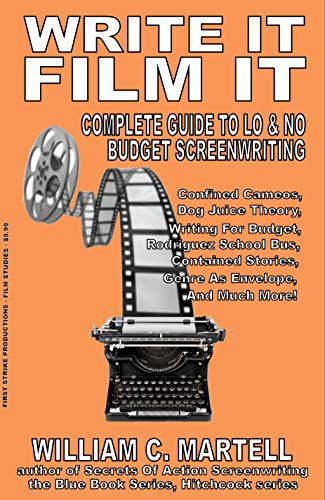
NEW: WRITE IT: FILM IT!

WriteItFilmIt

WRITE IT, FILM IT! Low & No Budget Screenwriting


Making Your Own Movie?
Writing An Indie Film?
Writing A Low Budget Genre Script To Sell?
Writing A Made For TV Holiday Movie?

You will be writing for BUDGET. On a standard spec screenplay, you don’t have to think about budget, but these types of screenplays writing with budget in mind is critical!

If you are making your own movie, budget, is even more important - and you need to think about budget *before* you write your screenplay... or you will end up with a script that you can’t afford to make (or is a struggle to make). Everyone is making their own films these days, and even if you have done it before there are lots of great techniques in this book to get more money on screen - for less money! You can make a film that looks like it cost millions for pocket change.

344 pages - ONLY: $7.99!


THE BLUEBOOK SERIES


bluebook

GOT IDEAS? (56 reviews)

*** YOUR IDEA MACHINE *** - For Kindle!

***

Expanded version with more ways to find great ideas! Your screenplay is going to begin with an idea. There are good ideas and bad ideas and commercial ideas and personal ideas. But where do you find ideas in the first place? This handbook explores different methods for finding or generating ideas, and combining those ideas into concepts that sell. The Idea Bank, Fifteen Places To Find Ideas, Good Ideas And Bad Ideas, Ideas From Locations And Elements, Keeping Track Of Your Ideas, Idea Theft - What Can You Do? Weird Ways To Connect Ideas, Combing Ideas To Create Concepts, High Concepts - What Are They? Creating The Killer Concept, Substitution - Lion Tamers & Hitmen, Creating Blockbuster Concepts, Magnification And The Matrix, Conflict Within Concept, Concepts With Visual Conflict, Avoiding Episodic Concepts, much more! Print version is 48 pages, Kindle version is over 178 pages!

Only $4.99 - and no postage!


OUTLINES & THE THEMATIC! (38 reviews)

bluebook

OUTLINES & THE THEMATIC Blue Book.

ARE YOUR SCENES IN THE RIGHT ORDER?
AND ARE THEY THE RIGHT SCENES?

Your story is like a road trip... but where are you going? What's the best route to get there? What are the best sights to see along the way? Just as you plan a vacation instead of just jump in the car and start driving, it's a good idea to plan your story. An artist does sketches before breaking out the oils, so why shouldn't a writer do the same? This Blue Book looks at various outlining methods used by professional screenwriters like Wesley Strick, Paul Schrader, John August, and others... as well as a guest chapter on novel outlines. Plus a whole section on the Thematic Method of generating scenes and characters and other elements that will be part of your outline. The three stages of writing are: Pre-writing, Writing, and Rewriting... this book looks at that first stage and how to use it to improve your screenplays and novels.

Only $4.99!


bluebook

Got Structure? (26 reviews)

*** STRUCTURING YOUR STORY *** - For Kindle!


William Goldman says the most important single element of any screenplay is structure. It’s the skeleton under the flesh and blood of your story. Without it, you have a spineless, formless, mess... a slug! How do you make sure your structure is strong enough to support your story? How do you prevent your story from becoming a slug? This Blue Book explores different types of popular structures from the basic three act structure to more obscure methods like leap-frogging. We also look at structure as a verb as well as a noun, and techniques for structuring your story for maximum emotional impact. Most of the other books just look at *structure* and ignore the art of *structuring* your story. Techniques to make your story a page turner... instead of a slug!

Only $4.99 - and no postage!


bluebook

STORY PROBLEMS? (37 reviews)

*** STORY: WELL TOLD *** - For Kindle!


This book takes you step-by-step through the construction of a story... and how to tell a story well, why Story always starts with character... but ISN'T character, Breaking Your Story, Irony, Planting Information, Evolving Story, Leaving No Dramatic Stone Unturned, The Three Greek Unities, The Importance Of Stakes, The Thematic Method, and how to create personal stories with blockbuster potential. Ready to tell a story? Print version was 48 pages, Kindle version is over 85,000 words - 251 pages!

Only $4.99 - and no postage!


bluebook

START STRONG! (40 Reviews)

*** HOOK 'EM IN TEN *** - For Kindle!


Your story doesn't get a second chance to make a great first impression, and this book shows you a bunch of techniques on how to do that. From the 12 Basic Ways To Begin Your Story, to the 3 Stars Of Your First Scene (at least one must be present) to World Building, Title Crawls, Backstory, Starting Late, Teasers and Pre Title Sequences, Establishing Theme & Motifs (using GODFATHER PART 2), Five Critical Elements, Setting Up The Rest Of The Story (with GODFATHER), and much more! With hundreds of examples ranging from Oscar winners to classic films like CASABLANCA to some of my produced films (because I know exactly why I wrote the scripts that way). Biggest Blue Book yet! Print version was 48 pages, Kindle version is over 100,000 words - 312 pages!

Only $4.99 - and no postage!


bluebook

MOVIES ARE CHARACTERS! (42 Reviews)

*** CREATING STRONG PROTAGONISTS *** - For Kindle!

*** CREATING STRONG PROTAGONISTS *** - For Nook!

Expanded version with more ways to create interesting protagonists! A step-by-step guide to creating "take charge" protagonists. Screenplays are about characters in conflict... characters in emotional turmoil... Strong three dimensional protagonists who can find solutions to their problems in 110 pages. But how do you create characters like this? How do you turn words into flesh and blood? Character issues, Knowing Who Is The Boss, Tapping into YOUR fears, The Naked Character, Pulp Friction, Man With A Plan, Character Arcs, Avoiding Cliche People, Deep Characterization, Problem Protagonists, 12 Ways To Create Likable Protagonists (even if they are criminals), Active vs. Reactive, The Third Dimension In Character, Relationships, Ensemble Scripts, and much, much morePrint version is 48 pages, Kindle version is once again around 205 pages!

Only $4.99 - and no postage!


bluebook

I WRITE PICTURES! (48 reviews)

*** VISUAL STORYTELLING *** - For Kindle! (exclusive)


Show Don't Tell - but *how* do you do that? Here are techniques to tell stories visually! Using Oscar Winning Films and Oscar Nominated Films as our primary examples: from the first Best Picture Winner "Sunrise" (1927) to the Oscar Nominated "The Artist" (which takes place in 1927) with stops along the way Pixar's "Up" and Best Original Screenplay Winner "Breaking Away" (a small indie style drama - told visually) as well as "Witness" and other Oscar Winners as examples... plus RISE OF THE PLANET OF THE APES. Print version is 48 pages, Kindle version is over 200 pages!

Only $4.99 - and no postage!


DESCRIPTION & VOICE Blue Book!

bluebook

DESCRIPTION & VOICE Blue Book.

IS HALF OF YOUR STORY IN TROUBLE? (19 reviews)

Most screenplays are about a 50/50 split between dialogue and description - which means your description is just as important as your dialogue. It just gets less press because the audience never sees it, the same reason why screenwriters get less press than movie stars. But your story will never get to the audience until readers and development executives read your script... so it is a very important factor. Until the movie is made the screenplay is the movie and must be just as exciting as the movie. So how do you make your screenplay exciting to read? Description is important in a novel as well, and the “audience” does read it... how do we write riveting description?

Only $4.99


bluebook

DIALOGUE TO DIE FOR! (56 Reviews)

*** DIALOGUE SECRETS *** - For Kindle!

***

Expanded version with more ways to create interesting protagonists! How to remove bad dialogue (and what *is* bad dialogue), First Hand Dialogue, Awful Exposition, Realism, 41 Professional Dialogue Techniques you can use *today*, Subtext, Subtitles, Humor, Sizzling Banter, *Anti-Dialogue*, Speeches, and more. Tools you can use to make your dialogue sizzle! Special sections that use dialogue examples from movies as diverse as "Bringing Up Baby", "Psycho", "Double Indemnity", "Notorious", the Oscar nominated "You Can Count On Me", "His Girl Friday", and many more! Print version is 48 pages, Kindle version is over 160 pages!

Only $4.99 - and no postage!


bluebook

SECRETS OF SCENES! (35 Reviews)

*** SCENE SECRETS BLUE BOOK *** - For Kindle! (Exclusive)


What is a scene and how many you will need? The difference between scenes and sluglines. Put your scenes on trial for their lives! Using "Jaws" we'll look at beats within a scene. Scene DNA. Creating set pieces and high concept scenes. A famous director talks about creating memorable scenes. 12 ways to create new scenes. Creating unexpected scenes. Use dramatic tension to supercharge your scenes. Plants and payoffs in scenes. Plus transitions and buttons and the all important "flow"... and more! Over 65,000 words!
Print version was 48 pages, Kindle version is around 210 pages!

Only $4.99 - and no postage!


bluebook

BEST SUPPORTING ACTORS? (29 reviews)

*** SUPPORTING CHARACTER SECRETS *** - For Kindle! (Exclusive)


Expanded version with more techniques to flesh out your Supporting Characters and make them individuals. Using the hit movie BRIDESMAIDS as well as other comedies like THE HANGOVER and TED and HIGH FIDELITY and 40 YEAR OLD VIRGIN and many other examples we look at ways to make your Supporting Characters come alive on the page. Includes Story Purpose of characters and Subplots. Print version was 48 pages, Kindle version is around 150 pages!

Only $4.99 - and no postage!


bluebook

STUCK IN THE MIDDLE? (52 Reviews)

*** ACT TWO SECRETS *** - For Kindle!


Expanded version with more techniques to help you through the desert of Act Two! Subjects Include: What Is Act Two? Inside Moves, The 2 Ps: Purpose & Pacing, The 4Ds: Dilemma, Denial, Drama and Decision, Momentum, the Two Act Twos, Subplot Prisms, Deadlines, Drive, Levels Of Conflict, Escalation, When Act Two Begins and When Act Two Ends, Scene Order, Bite Sized Pieces, Common Act Two Issues, Plot Devices For Act Two, and dozens of others. Over 67,000 words (that’s well over 200 pages) of tools and techniques to get you through the desert of Act Two alive! Print version was 48 pages, Kindle version is over 208 pages!

Only $4.99 - and no postage!


All About Endings! (3 reviews)

bluebook

GRAND FINALES Blue Book!

The Perfect Ending For Your Story!

The First Ten Pages Of Your Screenplay Are Critical,
But What About The Last 10 Pages?

Creating the perfect ending to your story! This 100,000 word book shows you how to end your story with a bang, rather than a whimper. Everything from Resolution Order to Act Three Tools to Happy or Sad Endings? to How The Beginning Of Your Story Has Clues To The Ending (in case you were having trouble figuring out how the story should end) to Falling Action to How To Avoid Bad Endings to Writing The Perfect Twist Ending to Setting Up Sequels & Series to Emotional Resolutions to How To Write Post Credit Sequences to Avoiding Deus Ex Machinas, to 20 Different Types Of Ends (and how to write them) and much more! Everything about endings for your screenplay or novel!

Only $4.99 - And No Postage!


NEW!

bluebook

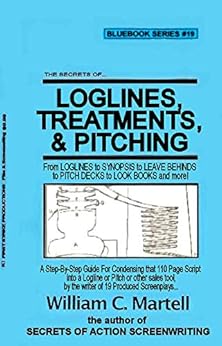
THE LOGLINES, TREATMENTS, & PITCHING Blue Book!

DISTILLING YOUR SCREENPLAY (21 Reviews)


Loglines, Treatments, Pitching, Look Books, Pitch Decks, One Pagers, Rip-O-Matics, oh my!

Every form of “distilled story” that you are likely to encounter as a screenwriter, and take you step-by-step through the creation. We will look at the most effective ways to pitch your screenplay, and how the pitch reveals problems with your screenplay. Just about every question that you might have is answered in this book! Including how to use Look Books as a creative tool as well as a sales tool, and why some commercial pitch platforms may be a waste of money. We look at the 4 types of pitches, how a one page synopsis is a “birth to death” element of your screenplay – you may use one to sell the screenplay, and the distributor may use that same one pager on the back of the Blu-ray box! The critical elements needed in any logline. And much more!

THE LOGLINES, TREATMENTS, & PITCHING Blue Book! - Only $4.99!


bluebook

Ready To Sell? (18 reviews)

*** BREAKING IN BLUE BOOK *** - For Kindle!


Should really be called the BUSINESS BLUE BOOK because it covers almost everything you will need to know for your screenwriting career: from thinking like a producer and learning to speak their language, to query letters and finding a manager or agent, to making connections (at home and in Hollywood) and networking, to the different kinds of meetings you are will have at Studios, to the difference between a producer and a studio, to landing an assignment at that meeting and what is required of you when you are working under contract, to contracts and options and lawyers and... when to run from a deal! Information you can use *now* to move your career forward! It's all here in the Biggest Blue Book yet!

Print version was 48 pages, Kindle version is over 400 pages!

$4.99 - and no postage!


HITCHCOCK SERIES


LEARN SUSPENSE FROM THE MASTER! (18 reviews)

*** HITCHCOCK: MASTERING SUSPENSE *** - For Kindle!

Alfred Hitchcock, who directed 52 movies, was known as the *Master Of Suspense*; but what exactly is suspense and how can *we* master it? How does suspense work? How can *we* create “Hitchcockian” suspense scenes in our screenplays, novels, stories and films?

This book uses seventeen of Hitchcock’s films to show the difference between suspense and surprise, how to use “focus objects” to create suspense, the 20 iconic suspense scenes and situations, how plot twists work, using secrets for suspense, how to use Dread (the cousin of suspense) in horror stories, and dozens of other amazing storytelling lessons. From classics like “Strangers On A Train” and “The Birds” and “Vertigo” and “To Catch A Thief” to older films from the British period like “The 39 Steps” and “The Man Who Knew Too Much” to his hits from the silent era like “The Lodger” (about Jack The Ripper), we’ll look at all of the techniques to create suspense!

Only $5.99


bluebook

Strange Structures? (23 reviews)

*** HITCHCOCK: EXPERIMENTS IN TERROR! *** - For Kindle!

***

Contained Thrillers like "Buried"? Serial Protagonists like "Place Beyond The Pines"? Multiple Connecting Stories like "Pulp Fiction"? Same Story Multiple Times like "Run, Lola, Run"?
HITCHCOCK DID IT FIRST!

This book focuses on 18 of Hitchcock's 52 films with wild cinema and story experiments which paved the way for modern films. Almost one hundred different experiments that you may think are recent cinema or story inventions... but some date back to Hitchcock's *silent* films! We'll examine these experiments and how they work. Great for film makers, screenwriters, film fans, producers and directors.

Only $5.99 - and no postage!


STORY IN ACTION SERIES


bluebook

THE MISSION IMPOSSIBLE MOVIES

NEW: Updates On Films 7 & 8 Casting! (10 reviews)

All Six Movies analyzed! All of the mission tapes, all of the “that’s impossible!” set pieces and stunts, the cons and capers - and how these scenes work, the twists and double crosses, the tension and suspense (and how to generate it), the concept of each film as a stand alone with a different director calling the shots (broken in the sixth film), the gadgets, the masks, the stories, the co-stars and team members (one team member has been in every film), the stunts Tom Cruise actually did (and the ones he didn’t), and so much more! Over 120,000 words of fun info!

THE MISSION IMPOSSIBLE MOVIES - Only $3.99 !


bourne

ALL THE BOURNE FILMS! (15 reviews)

*** THE BOURNE MOVIES

All five "Bourne" movies (including "Legacy" and it's potential sequels) - what are the techniques used to keep the characters and scenes exciting and involving? Reinventing the thriller genre... or following the "formula"? Five films - each with an interesting experiment! A detailed analysis of each of the films, the way these thrillers work... as well as a complete list of box office and critical statistics for each film. This book is great for writers, directors, and just fans of the series.

Only $3.99 - and no postage!


bluebook

He'll Be Back? (15 Reviews)

*** THE TERMINATOR MOVIES *** - For Kindle!


He's back! The release of "Terminator: Genisys" (now on BluRay) is set to begin a new trilogy in the Terminator story... 31 years after the first film was released. What draws us to these films about a cybernetic organism from the future sent back in time? Why is there a new proposed trilogy every few years? This book looks at all five Terminator movies from a story standpoint - what makes them work (or not)? What are the techniques used to keep the characters and scenes exciting and involving? How about those secret story details you may not have noticed? Containing a detailed analysis of each of the five films so far, this book delves into the way these stories work... as well as a complete list of box office and critical statistics for each film. This book is great for writers, directors, and just fans of the series.

Only $3.99 - and no postage!


bluebook

ADVICE FROM #2 SCREENWRITER!

*** VINTAGE #1: HOW TO WRITE PHOTOPLAYS *** - For Kindle!

***

Screenwriting books have been around as long as films have. This series reprints vintage screenwriting books with a new introduction and history, plus new articles which look at how these lessons from almost 100 years ago apply to today’s screenplays. Anita Loos book is filled with information which still applies. In addition to the full text of the original book, you get the full screenplay to Miss Loos' hit THE LOVE EXPERT, plus several new articles on the time period and women in Hollywood.

Only $2.99 - and no postage!


These links all lead to the USA store, if you are in some other country and want to write a review for your country, go to your Amazon website.

Thank you all again.

- Bill

Any ideas or suggestions? Post them in the comments section!

Friday, December 09, 2022

12 Hours Of Hitchcock/Truffaut.

Seems the new HITCHCOCK/TRUFFAUT documentary that just played at TIFF is just a rehash of what we already knew from the book and the recordings:

Review.

So since I'm still recovering from finishing the DESCRIPTION & VOICE Book, so why don't you spend 12 hours listening to the original recordings of Truffaut's interviews with Hitchcock? It's only half a day...

Hitchcock Truffaut Master Tapes.

Plus, for your visual enjoyment, 1,000 FRAMES OF HITCHCOCK:

1,000 FRAMES.

Sight & Sound.

Bill


Of course, I have my own books on Hitchcock...

HITCHCOCK: MASTERING SUSPENSE


LEARN SUSPENSE FROM THE MASTER!

Alfred Hitchcock, who directed 52 movies, was known as the “Master Of Suspense”; but what exactly is suspense and how can *we* master it? How does suspense work? How can *we* create “Hitchcockian” suspense scenes in our screenplays, novels, stories and films?

This book uses seventeen of Hitchcock’s films to show the difference between suspense and surprise, how to use “focus objects” to create suspense, the 20 iconic suspense scenes and situations, how plot twists work, using secrets for suspense, how to use Dread (the cousin of suspense) in horror stories, and dozens of other amazing storytelling lessons. From classics like “Strangers On A Train” and “The Birds” and “Vertigo” and “To Catch A Thief” to older films from the British period like “The 39 Steps” and “The Man Who Knew Too Much” to his hits from the silent era like “The Lodger” (about Jack The Ripper), we’ll look at all of the techniques to create suspense!

Films Included: NOTORIOUS, SABOTAGE, STRANGERS ON A TRAIN, THE 39 STEPS, REBECCA, TO CATCH A THIEF, FRENZY, FOREIGN CORRESPONDENT, THE LODGER, THE BIRDS, TORN CURTAIN, SABOTEUR, VERTIGO, THE MAN WHO KNEW TOO MUCH (1934), THE MAN WHO KNEW TOO MUCH (1955), SUSPICION, and NUMBER SEVENTEEN. 17 Great Films!

Only 125,000 words!

Price: $5.99

Click here for more info!

OTHER COUNTRIES:
(links actually work now)

UK Folks Click Here.

German Folks Click Here.

French Folks Click Here.

Espania Folks Click Here.

Canadian Folks Click Here.

And...


HITCHCOCK: EXPERIMENTS IN TERROR


Click here for more info!

HITCHCOCK DID IT FIRST!

We all know that Alfred Hitchcock was the Master Of Suspense, but did you know he was the most *experimental* filmmaker in history?

Contained Thrillers like “Buried”? Serial Protagonists like “Place Beyond The Pines”? Multiple Connecting Stories like “Pulp Fiction”? Same Story Multiple Times like “Run, Lola, Run”? This book focuses on 18 of Hitchcock’s 53 films with wild cinema and story experiments which paved the way for modern films. Almost one hundred different experiments that you may think are recent cinema or story inventions... but some date back to Hitchcock’s *silent* films! We’ll examine these experiments and how they work. Great for film makers, screenwriters, film fans, producers and directors.

Films Examined: “Rear Window”, “Psycho”, “Family Plot”, “Topaz”, “Rope”, “The Wrong Man”, “Easy Virtue”, “Lifeboat”, “Bon Voyage”, “Aventure Malgache”, “Elstree Calling”, “Dial M for Murder”, “Stage Fright”, “Champagne”, “Spellbound”, “I Confess”, and “The Trouble with Harry”, with glances at “Vertigo” and several others.

Professional screenwriter William C. Martell takes you into the world of The Master Of Suspense and shows you the daring experiments that changed cinema. Over 77,000 words.

UK Folks Click Here.

German Folks Click Here.

French Folks Click Here.

Espania Folks Click Here.

Canadian Folks Click Here.

Bill
eXTReMe Tracker